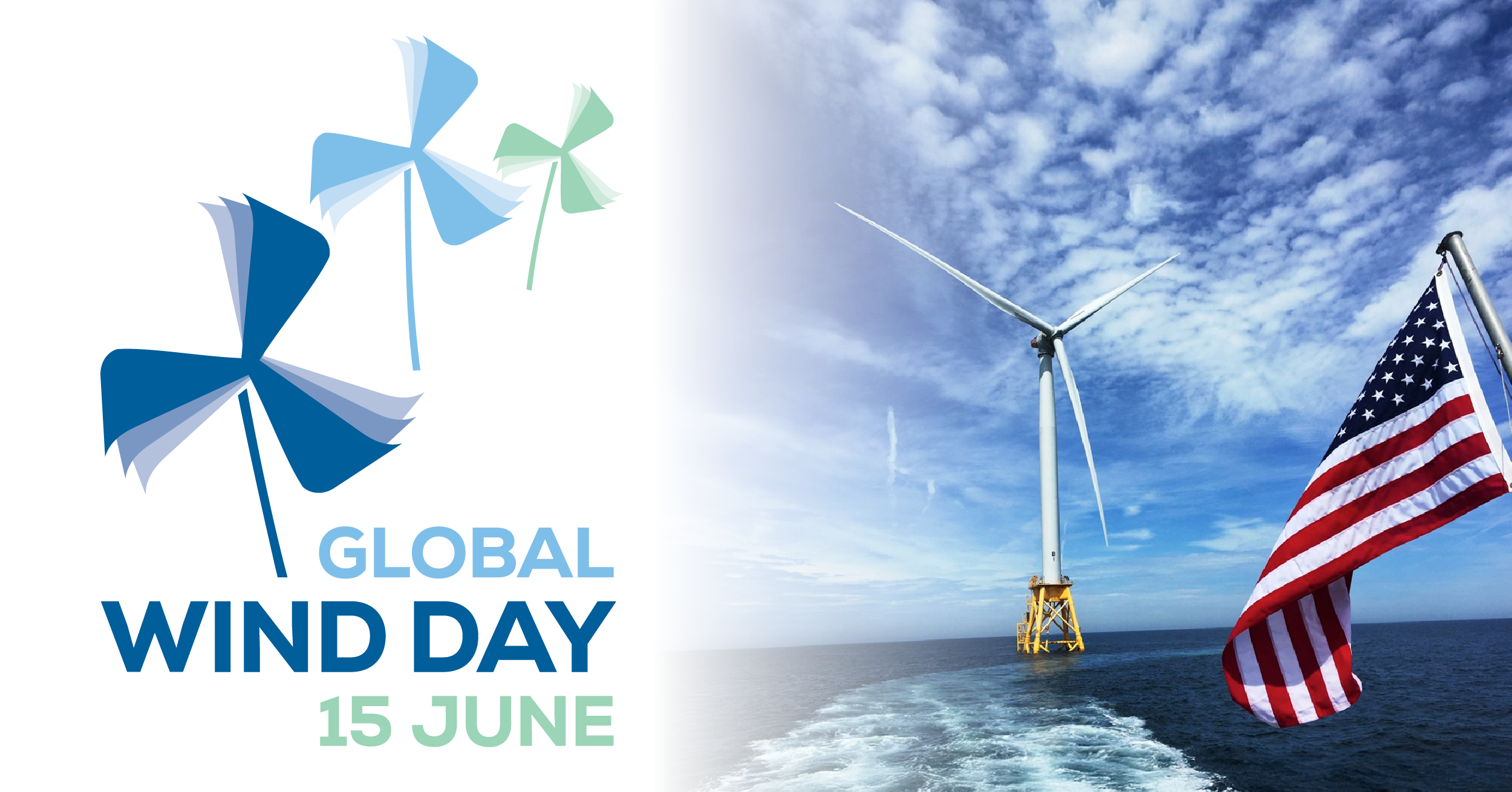
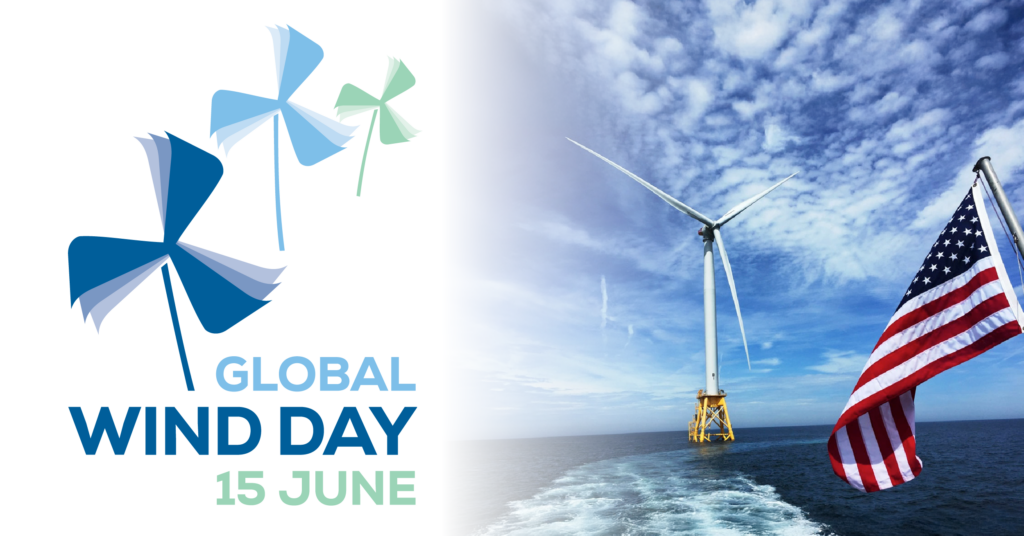
June 15—Global Wind Day—is a moment to reflect not just on the promise of wind energy, but on the choices that will determine which nations lead the next era of global energy innovation.
Offshore wind is one of America’s greatest economic and strategic advantages. However, punitive federal policy is stalling progress at precisely the moment the world is accelerating and competitors like China are surging ahead.
A World Moving Forward—Without the U.S.
Across the globe, offshore wind is scaling at remarkable speed. According to the Global Wind Energy Council’s most recent report, global offshore wind capacity surpassed 90 gigawatts in 2025, enough to power approximately 100 million homes. The organization expects capacity to hit 420 GW by the end of 2035 as countries race to secure reliable, domestic energy supplies.
More than 50 GW of offshore wind projects are currently under construction around the world, with installations expected to double this year. China alone added more than 6 gigawatts of offshore wind capacity in 2025 and now holds 52% of the world’s total capacity, positioning itself as the dominant industrial and technological force in the sector.
Europe is not standing still either. The United Kingdom and its neighbors are investing tens of gigawatts into offshore wind, with coordinated strategies to transform the North Sea into a clean energy powerhouse that will lower costs and strengthen energy security.
In Asia, emerging economies from South Korea to the Philippines are launching auctions, building supply chains, and preparing to compete in a global market projected to expand dramatically over the next decade.
The message is clear: offshore wind is no longer an emerging technology. It is a defining pillar of 21st-century energy systems and a cornerstone of geopolitical power.
America’s Self-Inflicted Retreat
After years of steady progress, federal actions since 2025 have halted new leasing, paused permitting, and even attempted to unravel projects already under construction.
Projects representing gigawatts of clean energy have faced stop-work orders, delays, or cancellation, not because the technology failed, but because misguided policy replaced rational decision making.
And yet, despite these headwinds, offshore wind in the United States continues to deliver.
In just a few years, the industry has crossed the 1-gigawatt threshold of power to the grid, with five commercial-scale projects simultaneously under construction. These projects, like Vineyard Wind, Revolution Wind, Coastal Virginia Offshore Wind and others, are generating reliable electricity, keeping the lights on and homes comfortable during cold snaps and extreme weather. They’re also lowering energy bills for communities across the Northeast, with projections into the billions over their 20+-year power purchase agreements.
And critically, real-time operational data is proving what we’ve long known: offshore wind delivers power you can count on at prices consumers can afford. At a time of rising energy demand and price volatility, offshore wind remains one of the fastest, most scalable tools available to strengthen domestic energy supply.
The Stakes: Innovation, Industry, and National Security
The consequences of the continued federal assault extend far beyond megawatts. China is not just building wind farms—it is building industrial dominance. With vertically integrated supply chains and massive domestic deployment, it is setting global standards, capturing manufacturing share, and exporting technology worldwide.
If the United States cedes this ground, we risk:
- Losing leadership in a critical energy technology
- Becoming dependent on foreign supply chains for key infrastructure
- Undermining our economic competitiveness
- Weakening our national and energy security
A Path Forward
The United States still has everything it needs to lead: world-class wind resources, a skilled workforce, an established supply chain, and states demanding more wind power to meet their own energy needs. What’s missing is policy certainty.
To reclaim leadership, we must leverage operational performance data to demonstrate its immense value to consumers and policymakers and restore predictable federal permitting to unlock the 70 GW of stalled projects in the U.S. pipeline. Above all, we must recognize offshore wind for what it is: a strategic national asset.
On this Global Wind Day, the choice is stark. We can be part of the next era of energy innovation—creating jobs, lowering costs, and securing our energy future—or we can watch from the sidelines as other nations define it.
Liz Burdock, President & CEO, Oceantic Network