At this year’s New York Climate Week, state leaders from New York and California delivered a clear message to the offshore wind industry: despite unprecedented federal challenges, states remain committed to the projects, investments, and workers driving America’s clean energy future.
That message echoed the theme that Liz Burdock, President and CEO of Oceantic Network, set at the start of the event. States have been instrumental in building the offshore wind industry from the ground up, she noted. Today, they are once again stepping up, not only to defend the industry’s progress, but also to help secure its future.
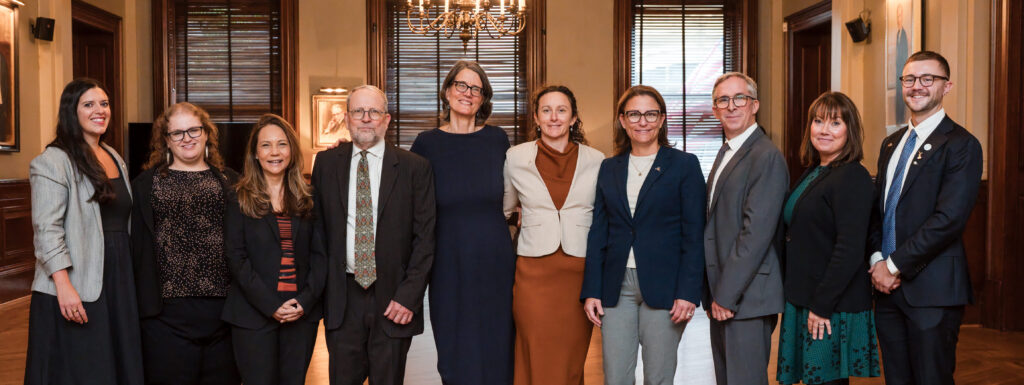
Hosted by Oceantic and organized in partnership with the New York City Bar Association, NRDC, and Eco Equity, the event brought together legal and energy leaders from two states that have long been at the forefront of clean energy development. Panelists included Rob Bonta, California Attorney General; Lem Srolovic, Bureau Chief of the New York Attorney General’s Environmental Protection Bureau; Doreen Harris, President and CEO of NYSERDA; and David Hochschild, Chair of the California Energy Commission.
Offshore Wind Is Working
For years, the offshore wind industry has talked about jobs, investment, and future economic benefits. Today, those benefits are no longer theoretical. The industry can now point to tangible results: 1.5 GW of offshore wind power is already operating in the United States, with 6 GW expected online by the end of next year. The industry has attracted $25 billion in supply chain investment and created tens of thousands of jobs across the country, supporting manufacturers, ports, shipyards, and suppliers in more than 40 states.
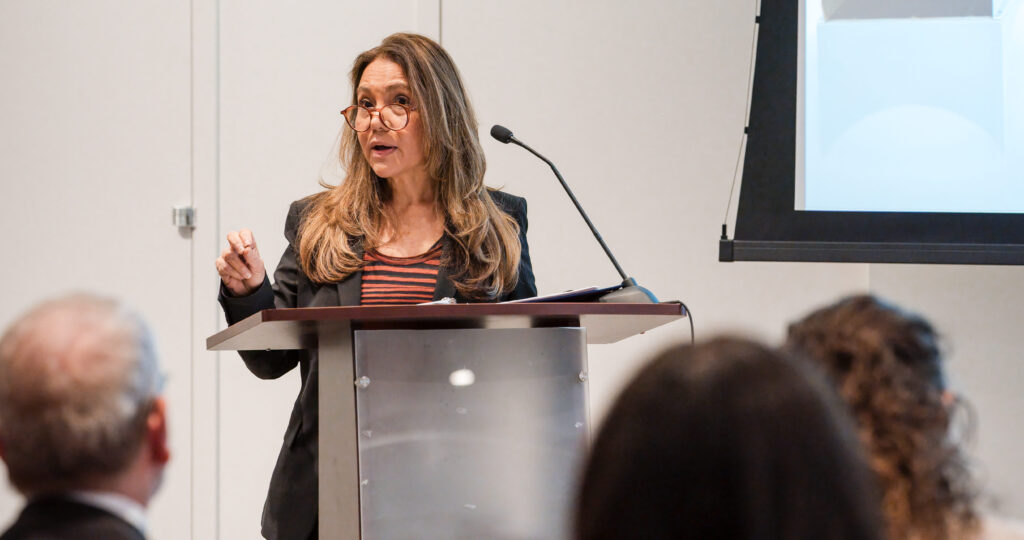
Those investments stretch far beyond coastal communities. From steel mills in the Midwest to shipyards along the Gulf Coast and manufacturing facilities in New York and the South, offshore wind’s economic footprint has become a truly national story.
Most importantly, offshore wind is now generating electricity at a time when states face growing energy demand that outpaces construction, grid reliability concerns, and pressure to keep power affordable. As several panelists emphasized throughout the discussion, the need for new energy infrastructure has not changed. If anything, it has become more urgent.
The States That Built the Industry Are Defending It
A central theme of the conversation was that the progress achieved to date would not have been possible without state leadership.
As Burdock observed, states made early decisions that allowed offshore wind to take root. They incorporated offshore wind into their energy planning portfolios, invested in ports and infrastructure, created procurement programs, and worked alongside industry to develop a domestic supply chain. Today, those same states are taking action to protect the investments they helped create.
That commitment was evident in the panel’s discussion of recent legal actions. Earlier in the day, New York announced two additional offshore wind lawsuits, joining a growing coalition of states challenging federal actions affecting the industry. California has pursued similar legal strategies, and announced a second lawsuit for a floating offshore wind project in Morro Bay.
For the attorneys general, the issue extends beyond offshore wind itself. AG Bonta described a commitment to challenge federal actions when they violate established law and harm states’ interests. Bureau Chief Srolovic highlighted the direct impacts offshore wind projects have on public health, economic opportunity, and energy reliability for New York communities. Both stressed that maintaining the rule of law is critical not only for offshore wind development but also for preserving the investment certainty needed to build large-scale energy infrastructure of any kind.
Beyond Litigation: Keeping Projects Moving
While legal challenges are an important tool, panelists agreed that court victories alone do not build energy infrastructure.
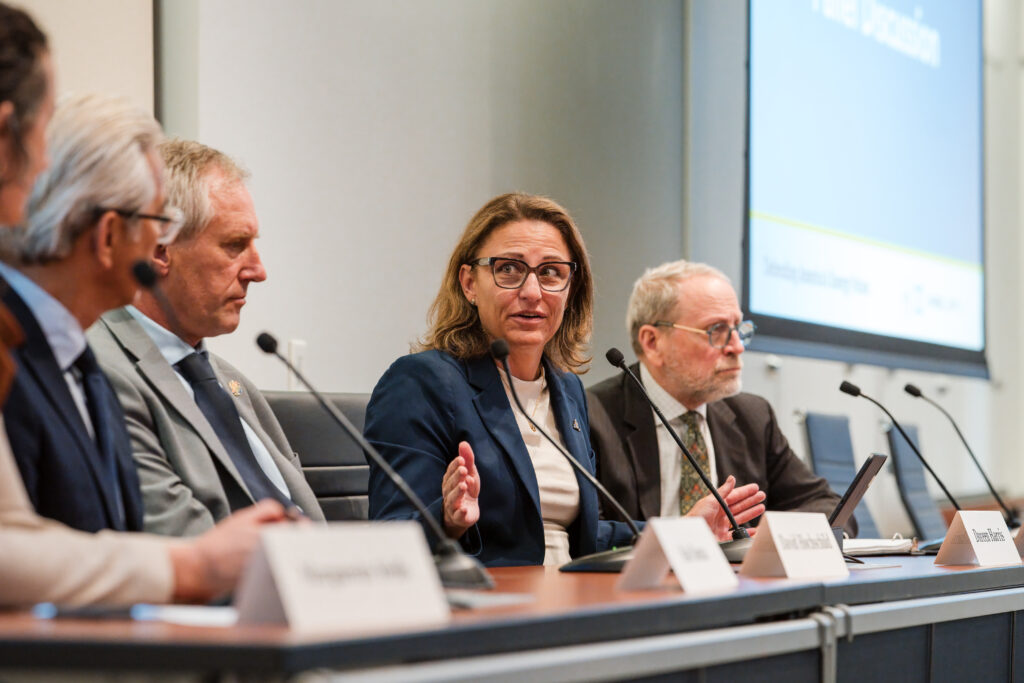
As Doreen Harris noted, New York’s need for offshore wind remains unchanged. The state continues to require additional generation resources to serve growing electricity demand, particularly in New York City and Long Island. Delays create real challenges for long-term energy planning and reliability.
That reality has pushed states to pursue practical solutions alongside litigation. New York is continuing to support projects already under construction while advancing investments in port infrastructure and developing new programs to help projects move through the development pipeline more efficiently. California has likewise continued investing in offshore wind research, development, and port readiness while preparing for future deployment opportunities.
These efforts closely reflect the point Burdock made in her remarks: states are not simply defending past progress. They are also creating innovative pathways that allow projects, suppliers, and investment to continue moving forward despite market and policy uncertainty.
A Long-Term Commitment
The discussion ended on a note of optimism. Panelists pointed to the underlying fundamentals supporting the return of offshore wind: rising electricity demand, substantial state commitments, growing domestic supply chains, and strong economic benefits reaching communities across the country. They noted that clean energy technologies are expected to account for the overwhelming majority of new U.S. power capacity additions, and that six utility-scale offshore wind projects along the East Coast are expected to be fully operational by the end of 2027, powering roughly 2.3 million homes.
Those milestones reinforce the core message at the heart of the event: Offshore wind is no longer a future industry. It is an operating industry delivering electricity, jobs, manufacturing investment, and economic benefits today. And as federal challenges continue, state leaders made clear that they remain determined to protect those gains, support continued investment, and ensure offshore wind remains part of America’s energy future.