From the first offshore wind farm in the United States to today’s operational projects and future pipeline, the International Union of Painters and Allied Trades (IUPAT) and its District Councils have been on the frontlines of building a skilled, resilient workforce for the offshore wind industry. Their journey into offshore wind began with a landmark moment: critical work on the Block Island Wind Farm in 2015. After more than a decade of advocacy to bring the project to life, IUPAT members stepped in to deliver critical coating work under a Project Labor Agreement—setting the tone for what would become a long-term partnership with the sector. Since then, District Councils across the Northeast have expanded their involvement, contributing to major projects including two projects under construction in the Northeast, while continuing to advocate for industry growth.
IUPAT’s offshore wind strategy has a dual focus: expanding opportunities for members and ensuring they are equipped with the right skills to succeed. Across District Councils, priorities include advancing federal and state policies that unlock new offshore wind projects, strengthening partnerships with developers and contractors, and investing heavily in workforce training. Offshore wind requires specialized certifications, and IUPAT has made it a mission to ensure members are not only prepared to enter the industry, but to grow within it over time.
Training has also presented a challenge. Limited access to highly specialized, technical certification programs such as GWO (Global Wind Organisation) and SPRAT (Society of Professional Rope Access Technicians) has created bottlenecks, slowing workforce readiness. In response, IUPAT is working to expand in-house training capabilities and leverage public and private funding to scale access, ensuring workers can meet demand as the industry calls upon them.
As more offshore wind projects come online in the U.S., IUPAT sees significant opportunity across the full lifecycle of projects—from fabrication and construction to long-term operations and maintenance. There is a strong emphasis on strengthening the domestic supply chain, aligning with efforts to keep jobs in the U.S., that support local economies and create sustained union jobs. Every stage of offshore wind development represents not just immediate work, but long-term career pathways and economic reinvestment into communities in the area. While the future of the industry faces headwinds, particularly at the federal level, IUPAT remains focused on emerging opportunities, especially in regions like the Northeast, where projects continue installation, with several already delivering much-needed energy to meet local demand.
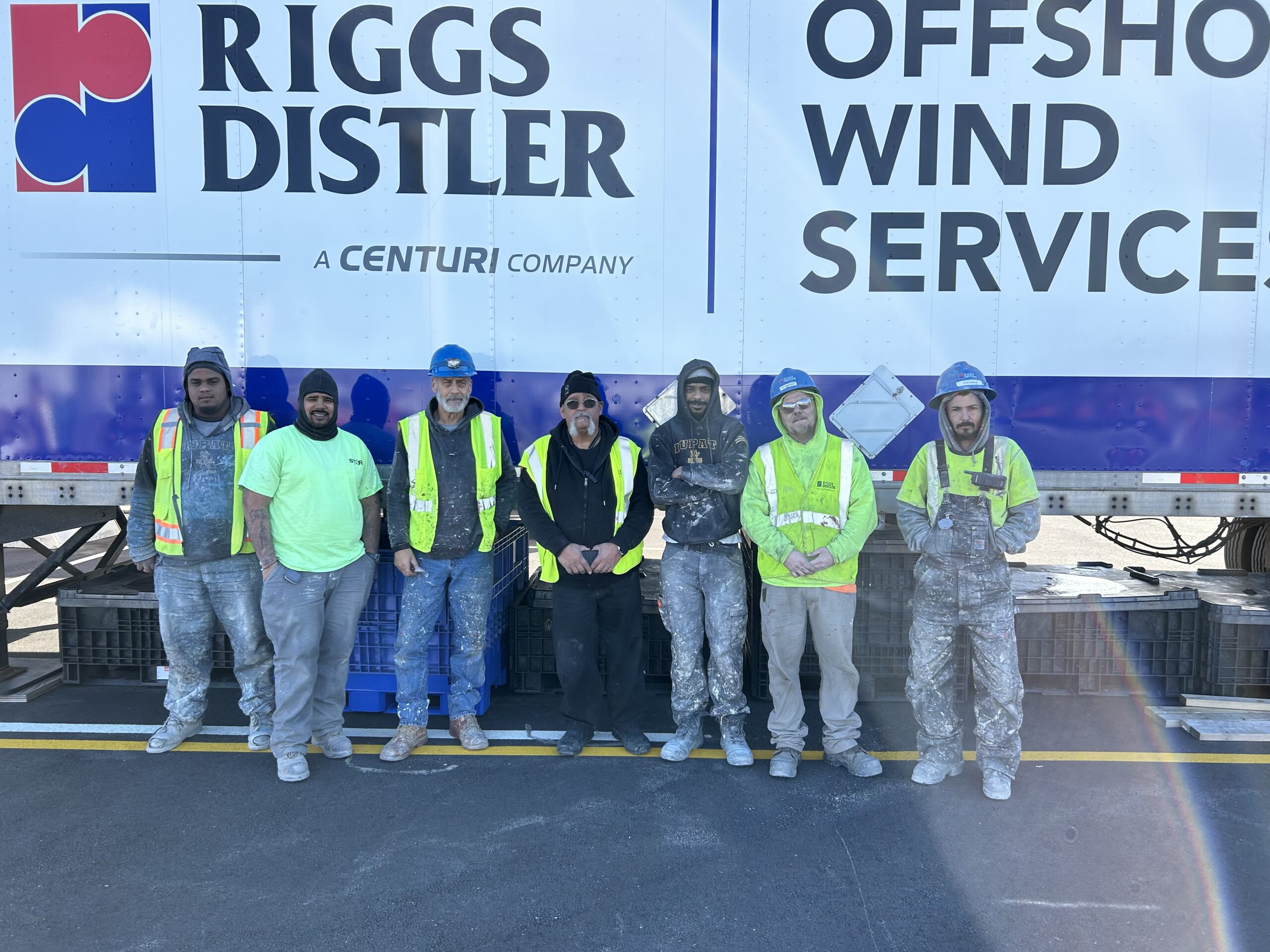
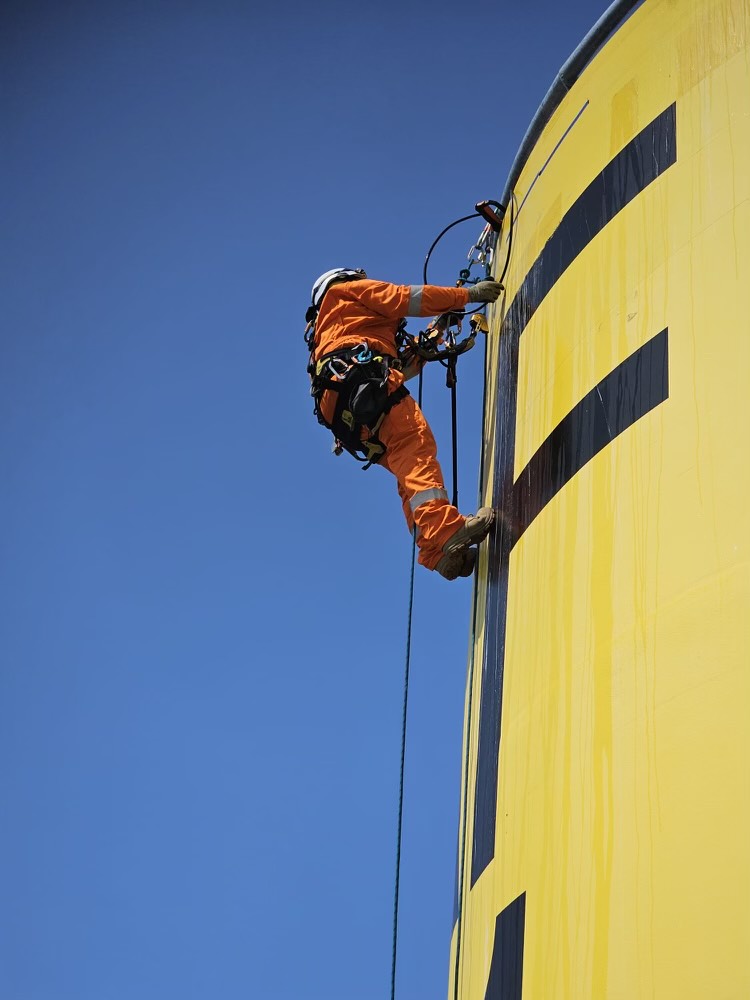
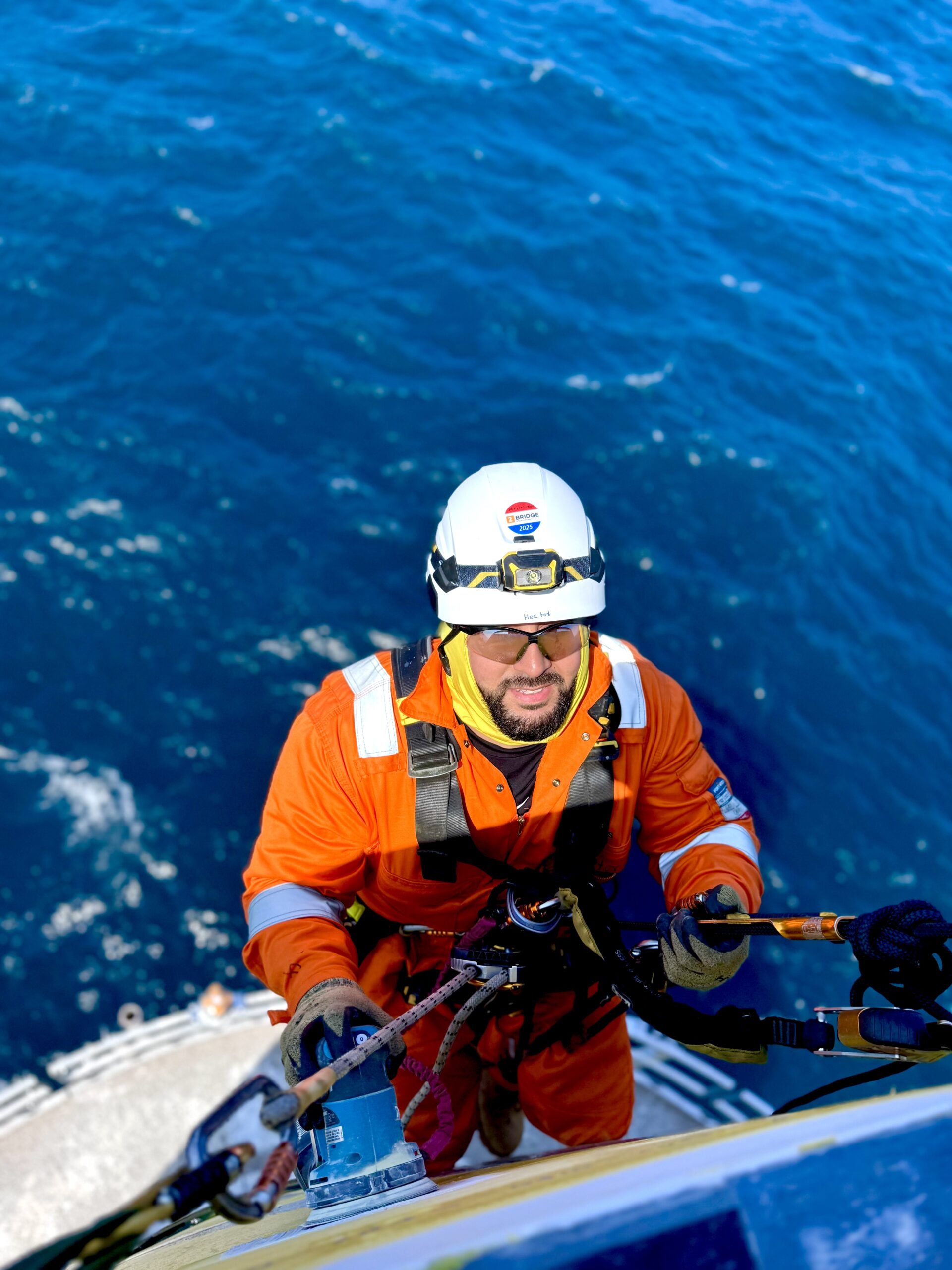
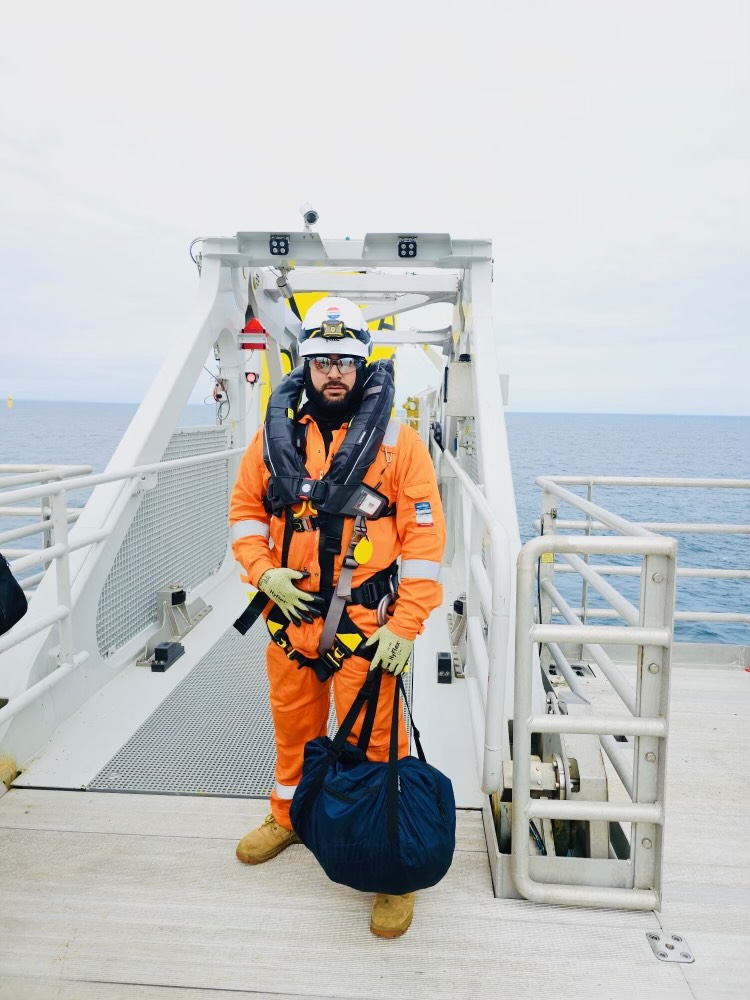
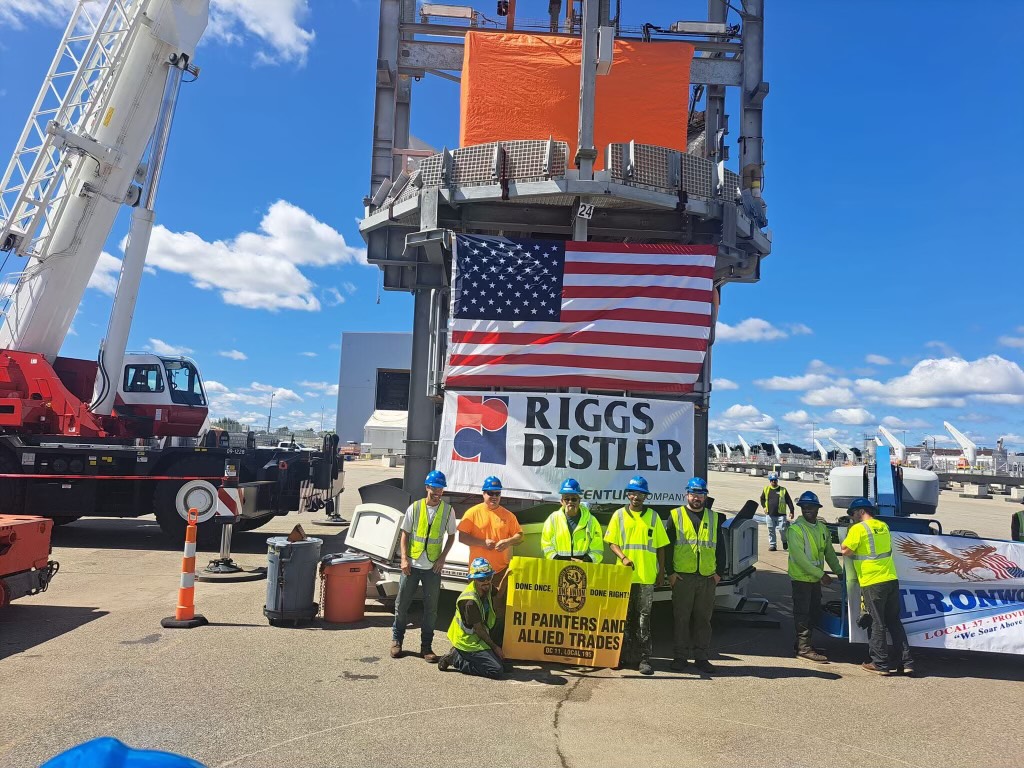
Today, IUPAT members are actively contributing to offshore wind projects both onshore and offshore. From applying protective coatings on components at the Port of Coeymans to working on foundations and substations at sea , their expertise is helping prepare critical infrastructure for deployment. These projects are not just milestones—they are learning experiences. Members are gaining hands-on offshore experience, applying new certifications, and sharing that knowledge across the workforce to strengthen future project delivery.
One standout achievement has been witnessing projects evolve from concept to construction. For IUPAT, being part of this genesis presents both a milestone and a foundation for what comes next.
IUPAT’s value proposition is clear: a highly trained, mobile workforce that delivers quality and durability across the lifecycle of offshore wind assets. Their CAS-certified members play a key role in enhancing the longevity and performance of infrastructure, while continuous training ensures they remain at the forefront of new technologies, safety protocols, and industry needs.
Being an Oceantic Network member has amplified IUPAT’s impact, providing opportunities for industry collaboration, technical education, and coordinated advocacy. These partnerships are essential not just for advancing projects, but for shaping the future of the offshore wind workforce.
At its core, IUPAT’s mission goes beyond project delivery. The union and its 140,000 members are committed to creating pathways into the middle class through family-sustaining wages, comprehensive benefits, and long-term retirement security. As offshore wind continues to grow, IUPAT is ensuring that its workforce grows with it—ready, skilled, and positioned to power our energy future for years to come.