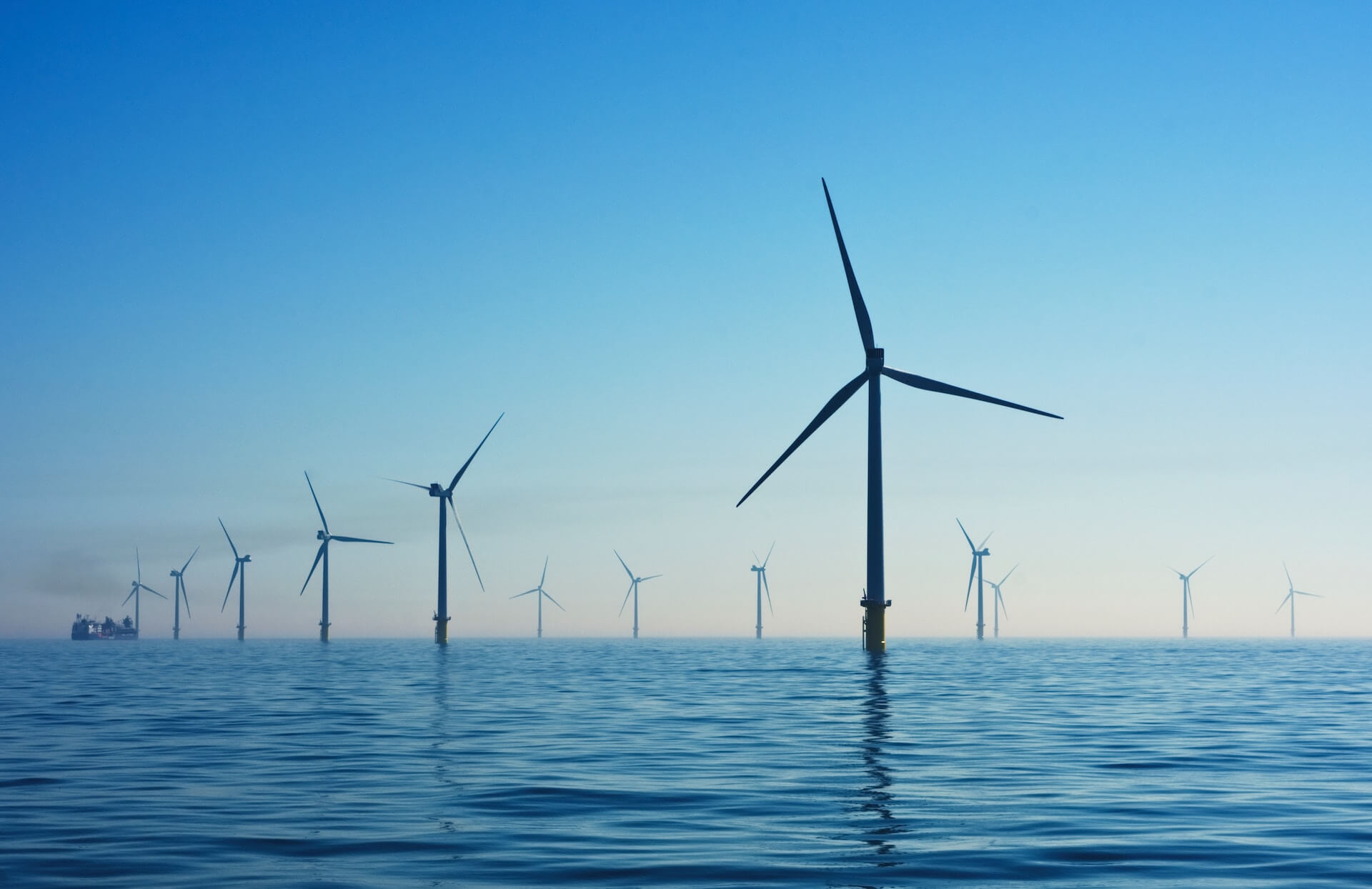
Founded in 1881, the United Brotherhood of Carpenters & Joiners of America (UBC) represents more than 500,000 members across North America, bringing more than a century of experience to the offshore wind industry—and a proven track record of delivering safe, highly skilled labor at scale. From the earliest days of power generation to today’s most complex offshore energy projects, the UBC has played a longstanding role in building the nation’s energy infrastructure.
What sets the United Brotherhood of Carpenters apart is the breadth and specialization of its workforce. Representing 33 different skilled trades, the UBC provides offshore wind project support from piledrivers, commercial divers, scaffolders, carpenters, and millwrights—each an expert in their field. UBC piledrivers are specialists in foundations, millwrights bring deep industrial mechanical expertise, carpenters support concrete, structural, and scaffolding work, and UBC commercial divers are uniquely trained through the only union commercial dive school in North America. This expertise is backed by a significant commitment to workforce development, with more than $250 million invested annually in training across 250+ training centers throughout North America.
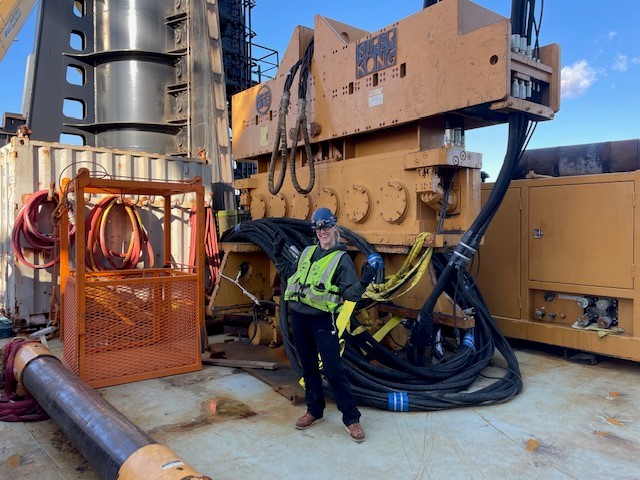
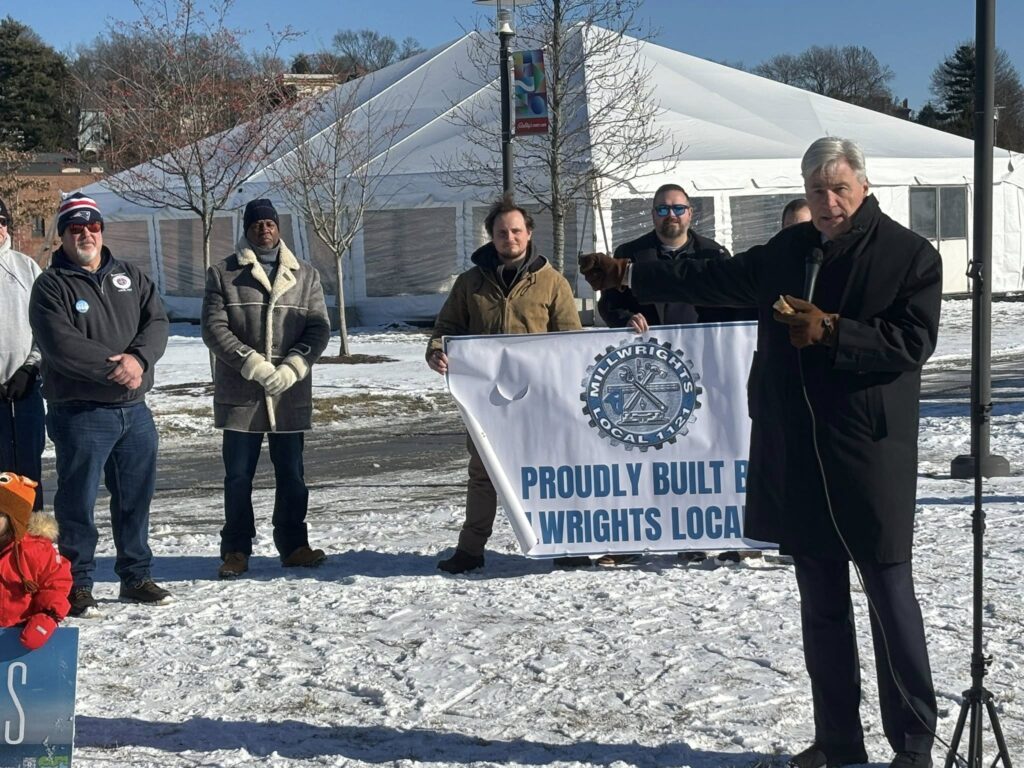
The UBC and its craftspeople have been involved in every U.S. offshore wind project to date, contributing critical expertise across installation, maintenance, and marine construction phases. UBC crews have supported Coastal Virginia Offshore Wind, Empire Wind, Revolution Wind, Sunrise Wind Vineyard Wind, and work at the Brooklyn Marine Terminal. While many of these projects have recently placed crews on standby or experienced layoffs due to shifting federal actions, the UBC’s involvement underscores the depth of skilled labor already mobilized and ready to support the industry’s next phase.
A recent milestone highlights the caliber of UBC’s workforce: during Vineyard Wind construction, developers initially questioned whether UBC crews had the necessary offshore experience. That uncertainty was quickly dispelled. After the first installation season, DEME requested that a UBC piledriver crew travel to the North Sea to support monopile installation while U.S. operations were paused for marine mammal mitigation. The request spoke volumes: UBC members demonstrated not only technical expertise, but a willingness to go the extra mile to deliver work efficiently, safely, and to the highest quality standards.
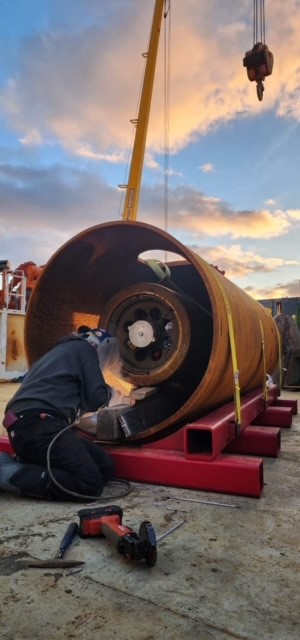
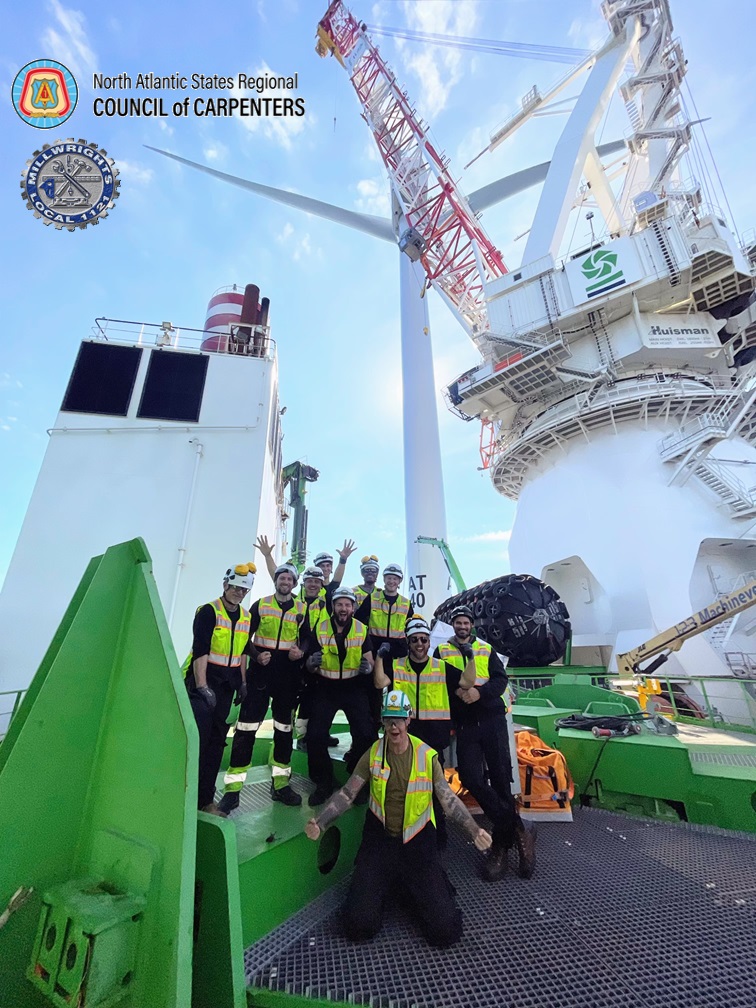
Today, the UBC’s primary goal is clear: to continue providing owners, developers, and contractors with the safest, most highly trained, and most efficient workforce in the industry. Beyond its ability to deliver a readily available and trained workforce, the UBC sees itself as a true business partner to developers and contractors—finding solutions not only in the field, but also in training, safety, legislative, and regulatory arenas.
UBC also credits Oceantic Network with playing a vital role in the industry’s development. As offshore wind entered the U.S. market, Oceantic provided a unifying platform that brought together developers, supply chain companies, labor, and other stakeholders to guide the industry through its formative years—and continues to support its path forward.
As the industry navigates a challenging moment, the UBC looks ahead to the 2026 International Partnering Forum as an opportunity to align with like-minded organizations, share its supply chain success story, and continue advocating for offshore wind in the United States. IPF has long served as a critical forum for collaboration, and this year’s conversations are more important than ever. Even amid near-term political headwinds facing the offshore wind market, the UBC remains committed to a long-term, “all-of-the-above” approach to America’s energy future and sees offshore wind as a vital part of that mix.