
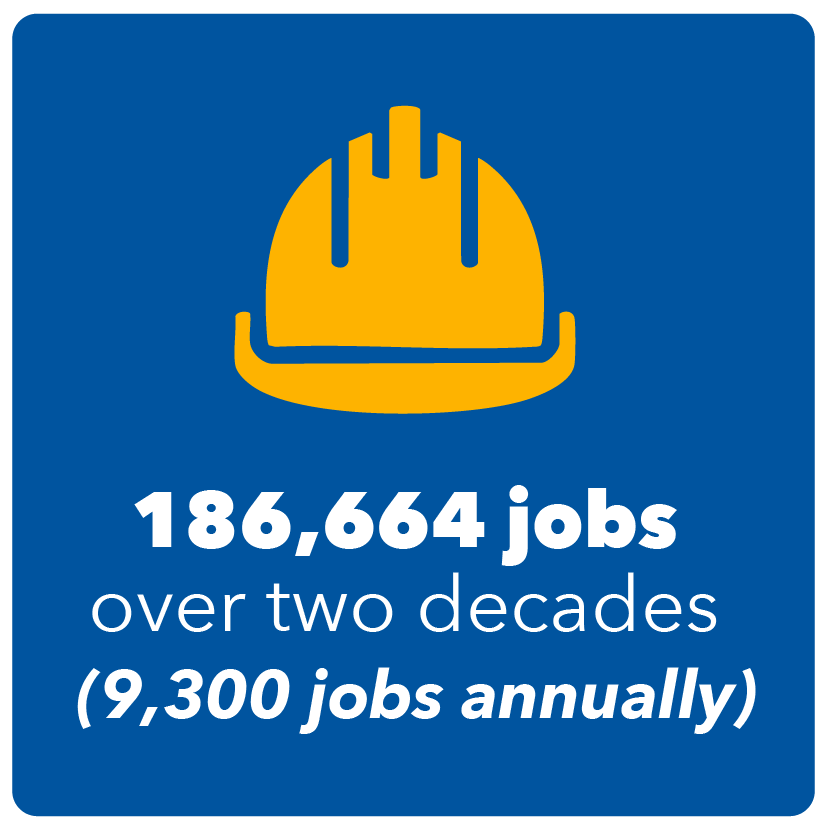
New analysis shows offshore wind deployment could generate 186,000 American manufacturing jobs and 22 million tons of steel demand over the next two decades.
How Offshore Wind Projects Use Steel
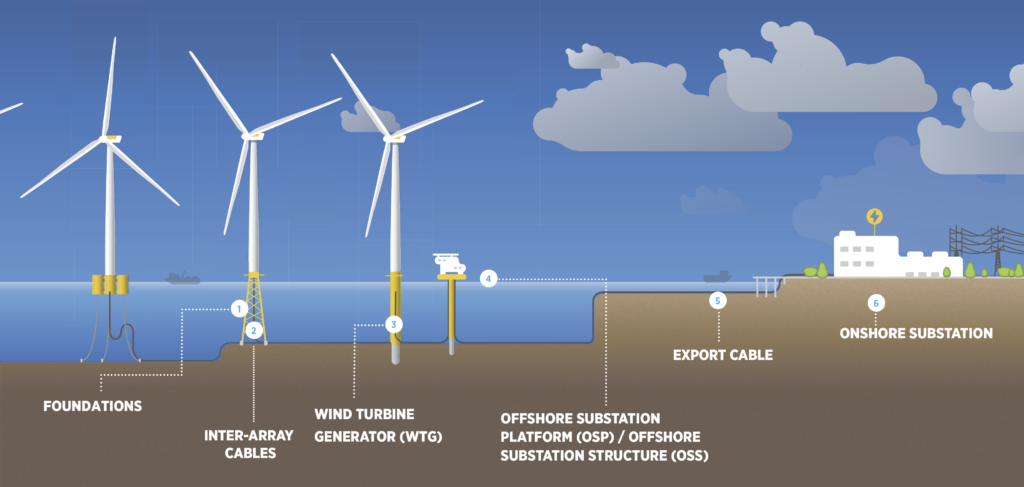
Offshore wind turbines are massive infrastructure systems built largely from steel. Towers, foundations, substations, vessels, and cables require large volumes of heavy plate steel.
Major steel components include:
- Turbine towers
- Monopile or jacket foundations
- Transition pieces
- Offshore substations
- Installation vessels
- Anchors and mooring systems
What 22 Million Tons of Steel Represents
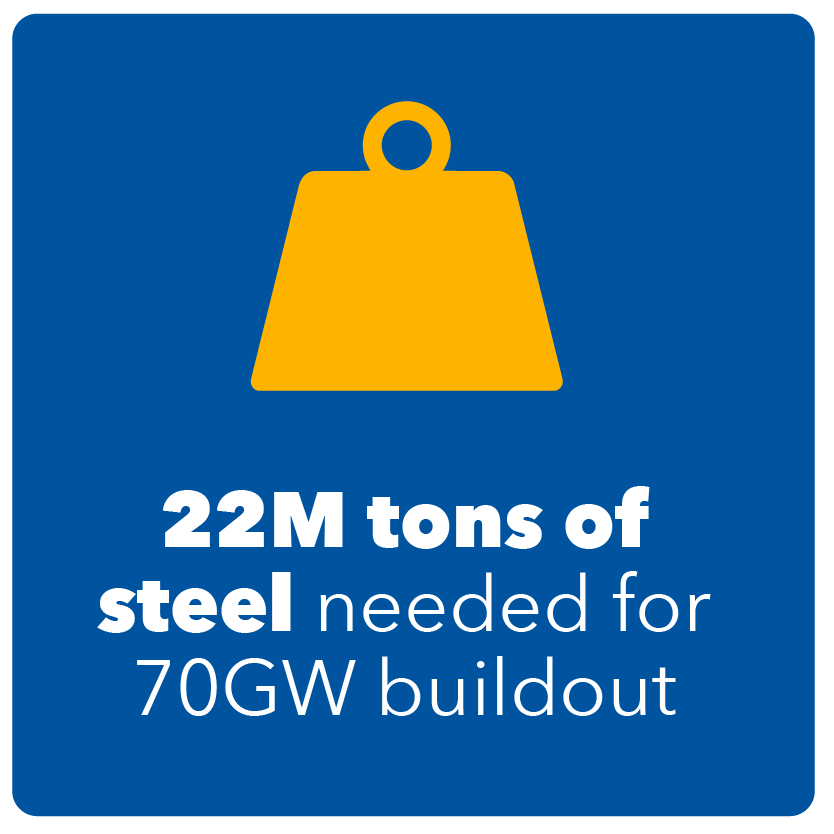
Building the 70GW of offshore wind projects already leased or proposed in the United States will require approximately 22 million tons of steel over the next two decades.
That level of demand represents one of the largest new industrial markets for American steel in decades.
Across the industry, the demand for domestic steel will exponentially eclipse some of the most iconic manufacturing feats in American history, equal to:
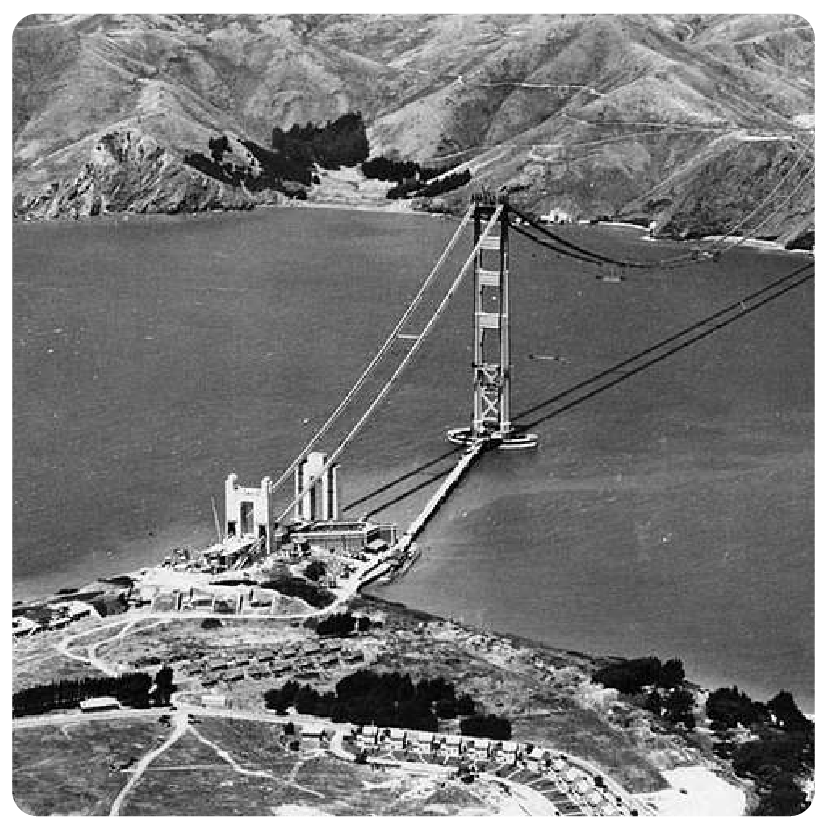
239 Golden Gate Bridges

266 Empire State Buildings
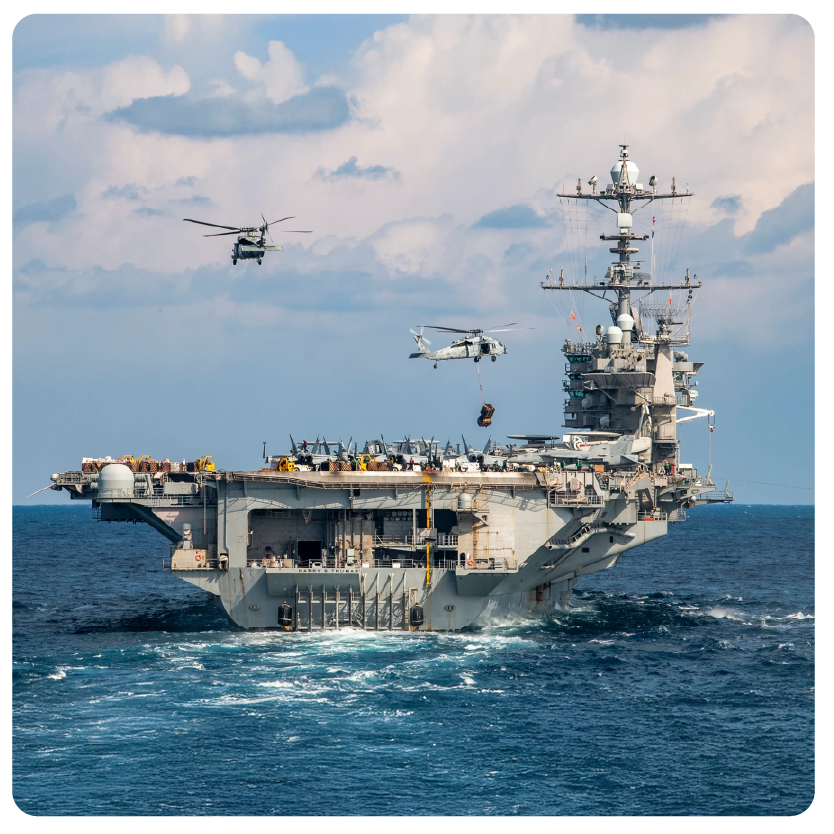
220 U.S. Navy aircraft carriers
The U.S. Offshore Wind Market Is Already Taking Shape
Offshore wind is no longer a future concept in the United States—it is an emerging industrial market that has already attracted significant investment and supply chain activity across the country. Projects are under construction, ports are being upgraded, and manufacturers are preparing to support a new generation of energy infrastructure built along America’s coastlines.
To date, more than $25 billion in investments have already flowed into the U.S. offshore wind supply chain, supporting manufacturing facilities, port revitalization, shipyards, and workforce development initiatives across dozens of states. These early investments demonstrate that offshore wind development can stimulate economic activity well beyond coastal regions, creating opportunities for steel producers, fabrication yards, shipbuilders, and suppliers throughout the country.
As the next wave of projects move forward, the scale of the opportunity grows. The currently leased and proposed offshore wind areas in the United States represent more than 70 gigawatts of potential generating capacity, enough to support a long-term industrial pipeline for domestic steel manufacturing and materials production.
Steel Mills Are Already Investing and Preparing for Increased Demand
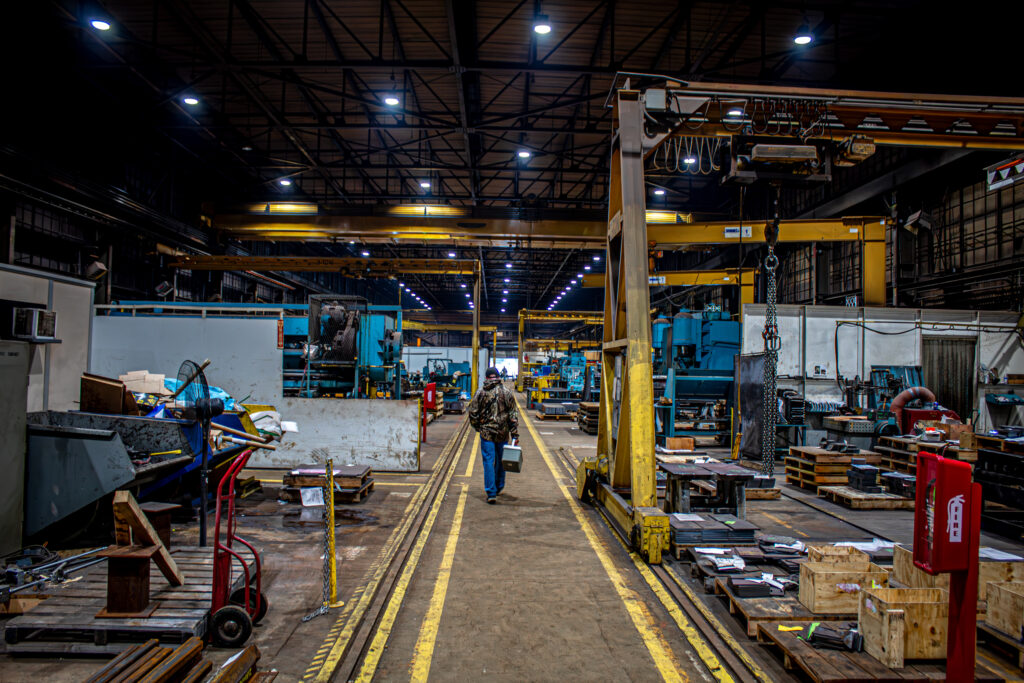
Recognizing the potential for offshore wind development to drive sustained demand for heavy steel components, American steel producers have already begun upgrading facilities and expanding capabilities. Over the past several years, steel mills in Kentucky, Ohio, and Texas have invested more than $3 billion, strengthening the country’s ability to produce the ultra-thick steel required for large-scale energy infrastructure projects.
These investments are significant because offshore wind turbines require specialized heavy steel plate that is not widely produced today. Turbine foundations, towers, and offshore structures demand extremely thick plate steel and advanced manufacturing processes that only a limited number of facilities around the world are equipped to provide.
With these recent upgrades, U.S. mills now have the capability to supply approximately 80% of the steel plate required for offshore wind projects over the next two decades, positioning American manufacturers to capture a large share of this market.
Perhaps most importantly, the demand created by offshore wind helps justify long-term investments in American industrial capacity. Steel mills rely on steady, predictable demand to finance upgrades and expand production. Offshore wind provides exactly that kind of sustained market signal.
The Missing Link: Steel Fabrication Capacity
While American steel mills are increasingly capable of producing the heavy steel plate needed for offshore wind components, another critical part of the supply chain must grow alongside them: fabricators.
Fabrication facilities take raw steel plate and transform it into the massive components used in offshore wind projects, including turbine towers, monopile foundations, transition pieces, and other structural elements. These facilities require specialized equipment, large waterfront sites, and a highly skilled workforce capable of producing components that can weigh hundreds or even thousands of tons.
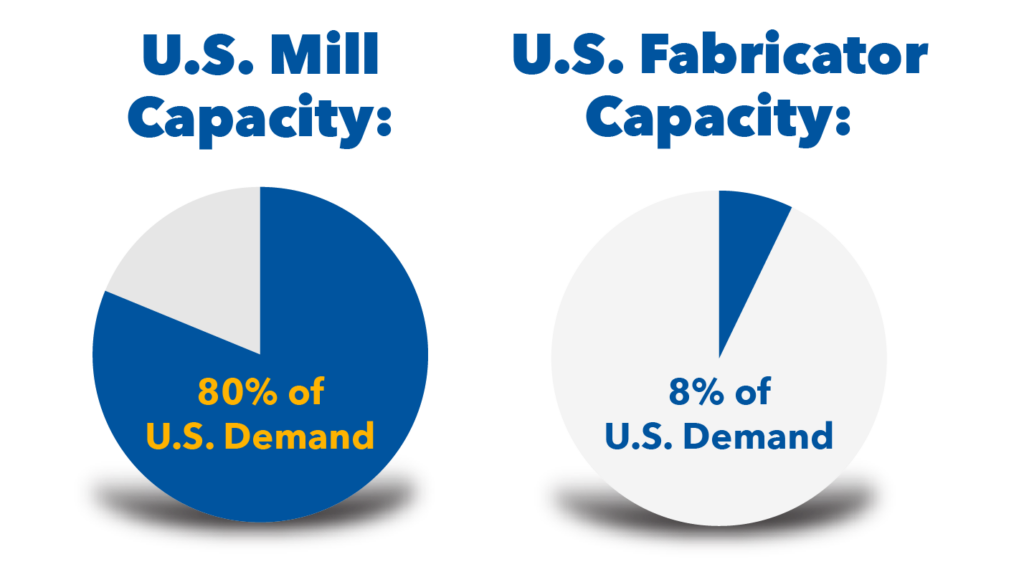
Today, however, the United States has limited fabrication capacity for these types of offshore wind structures. Existing facilities can support approximately 8% of the total component demand associated with the offshore wind pipeline analyzed in the study.
With the right investments, stable permitting, and a robust project pipeline, that picture could change dramatically. The study finds that U.S.-based fabrication facilities could ultimately meet up to 78% of steel demand for towers, foundations, and other major offshore wind components.
Expanding fabrication capacity would not only capture more economic value domestically but would also ensure that the investments already made in U.S. steel mills translate into sustained industrial activity and job creation.
Strengthening America’s Industrial Base & Supporting Critical Manufacturing Capabilities
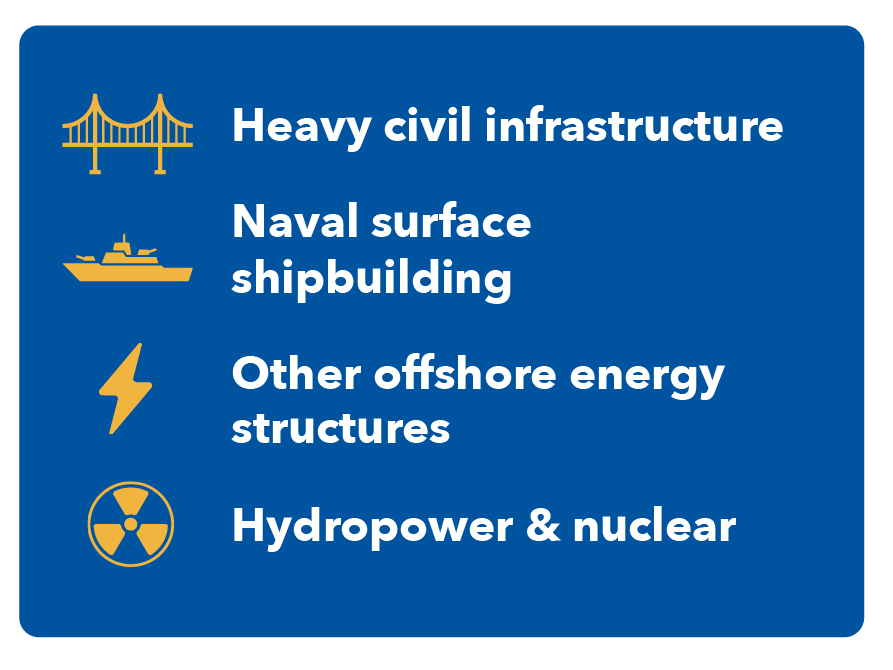
The industrial capabilities required to build offshore wind projects extend well beyond the renewable energy sector. Producing turbine foundations, towers, and offshore structures requires specialized heavy steel manufacturing, thick plate rolling, and advanced fabrication techniques that are also essential for many other forms of national infrastructure.
By creating long-term demand for these capabilities, offshore wind can help strengthen the broader American industrial base. The same steel production and fabrication expertise used for offshore wind components also supports the construction of bridges, naval vessels, hydropower infrastructure, nuclear facilities, and other large-scale energy and national security projects.
In this way, offshore wind development does more than produce electricity—it helps restore and sustain critical manufacturing capacity that benefits multiple sectors of the U.S. economy.
Capturing the Opportunity: Domestic Investment Determines Who Benefits
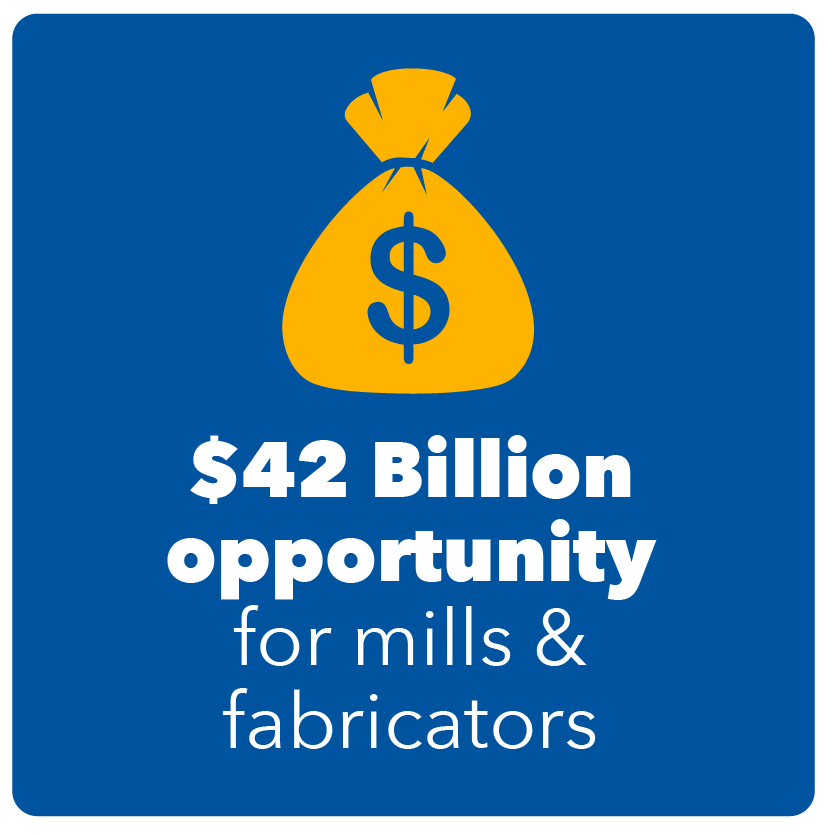
The economic opportunity associated with offshore wind development is significant, but capturing those benefits within the United States depends on whether domestic manufacturing capacity continues to expand. While American steel mills have already invested billions of dollars to upgrade facilities, additional investment in fabrication facilities will be necessary to build the full supply chain at home.
Without that investment, much of the manufacturing work required to produce offshore wind components could remain with overseas suppliers. In that scenario, the United States would capture a much smaller share of the potential economic benefits—less than 10% of the total market opportunity identified in the study.
With the right market conditions and a stable permitting environment, however, the offshore wind industry can support new fabrication facilities, strengthen domestic supply chains, and ensure that the economic value generated by this emerging energy sector remains right here, made in America.
Download the Full Report & Summary Slides
Complete the form below to receive an email with the full report, “U.S. Steel Demand from Offshore Wind” and accompanying summary slides. Explore the analysis behind these findings, including projected steel demand, domestic manufacturing capabilities, and the market conditions needed to support investment.